
Iran sets $1 a barrel Hormuz oil passage toll payable in yuan or stablecoins
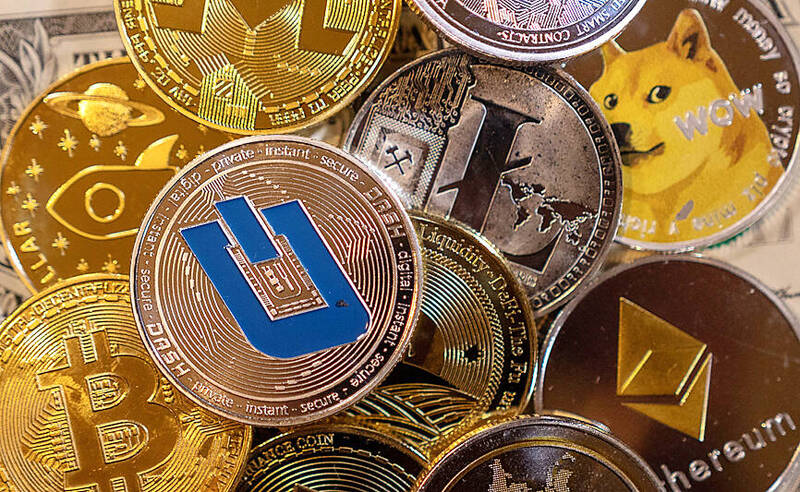
Iran is operationalizing a quasi-toll regime in the Strait of Hormuz that effectively turns the chokepoint into a monetized, politically filtered corridor, with major implications for energy markets and global finance. Under a plan approved by Iran’s National Security Committee, tankers now face opening demands of about $1 per barrel for passage, with payments sought in Chinese yuan or cryptocurrency stablecoins rather than U.S. dollars, signaling a strategic push to de‑dollarize a critical piece of global trade. The system routes all vessels through an IRGC‑linked intermediary that collects detailed data on ownership, crew, cargo, and destination, then screens them for links to Israel, the United States, or other "hostile" states. Approved ships receive a permit code, are instructed to sail under specific national flags (sometimes re‑registering), must broadcast their code via VHF near Hormuz, and are then escorted by IRGC patrol boats along controlled coastal routes between islands—leveraging Iran’s rights over its 12‑nautical‑mile territorial waters to legitimize inspections and routing. This arrangement fundamentally alters risk, cost, and legal norms in one of the world’s most important waterways: it injects new transaction frictions, geopolitical discretion, and sanctions‑evasion channels into oil flows that underpin global pricing. A case involving 20 Pakistani‑flagged vessels illustrates how the regime is already forcing states and global commodity traders to reflag ships ad hoc just to move cargo through the Gulf. Simultaneously, Iran and Oman are working on a joint protocol to "monitor transit" through Hormuz, framed by Tehran as a facilitation and safety measure rather than a restriction. Markets reacted immediately: U.S. equity indices rebounded from steep losses and oil prices retreated from intraday highs once news broke of Iran‑Oman talks, suggesting traders see some prospect of a managed reopening short of direct military confrontation. Even so, physical tightness is severe—S&P Global reports spot Brent cargoes for delivery in 10–30 days at $141.36, the highest since the 2008 crisis—underscoring how Iran’s closure and conditional re‑opening of Hormuz is already stressing the global economy, reshaping payment patterns toward yuan and crypto, and forcing importing states to rethink both energy security and maritime law.