National conclave at Vigyan Bhawan deliberates on implementation of National Cooperation Policy 2025 to realise 'Sahkar Se Samriddhi
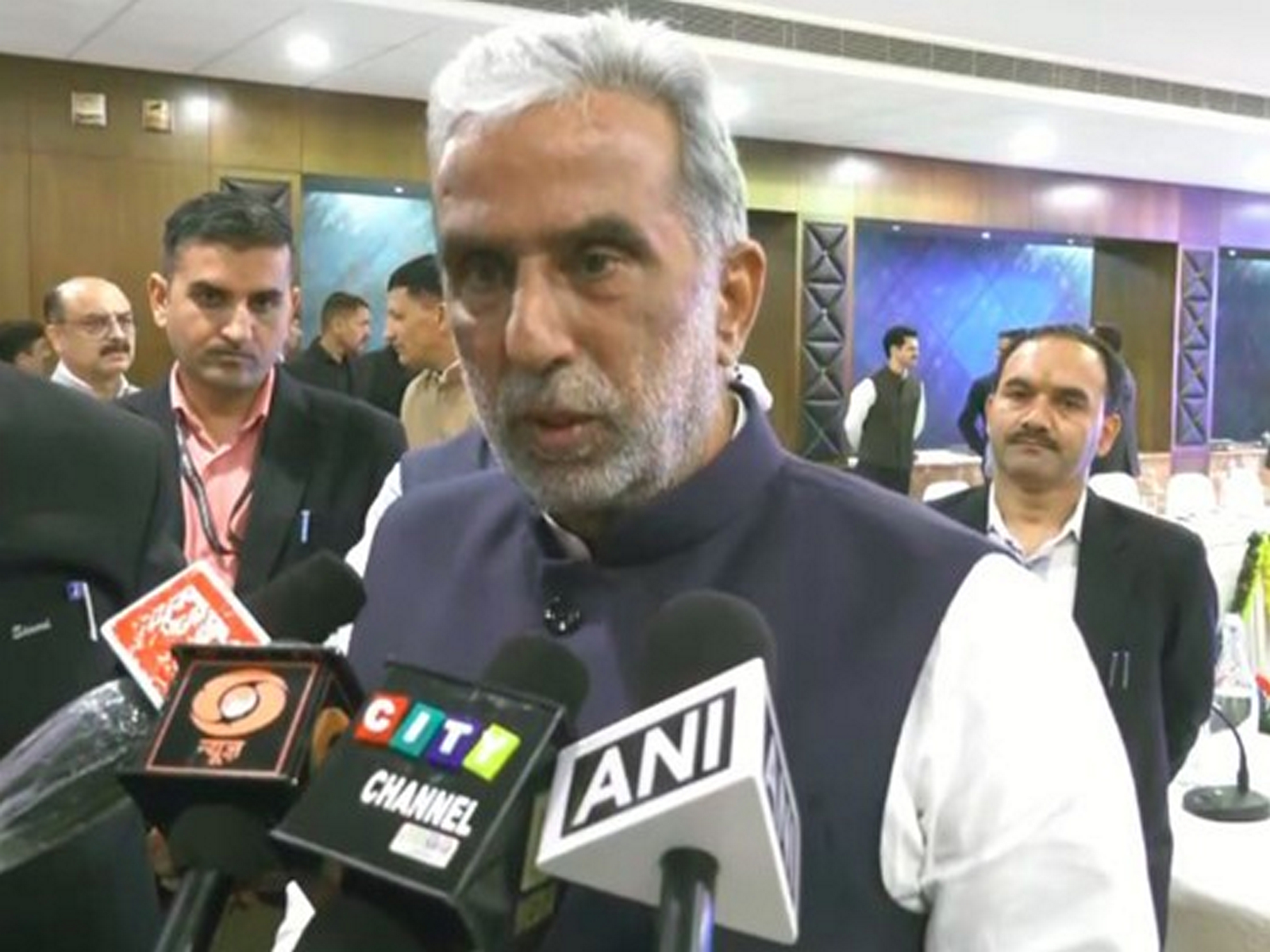
At Vigyan Bhawan in New Delhi, the Ministry of Cooperation and Tribhuvan Sahkari University hosted a National Conclave titled “Implementation Pathways for National Cooperation Policy 2025 and the Way Forward.” Union Minister of State for Cooperation Krishan Pal Gurjar said the new policy is meant to turn the cooperative sector into a second engine of national growth by accelerating inclusive development, energising the rural economy, and contributing to India’s goal of becoming a developed country by 2047. He stressed that the policy was crafted through an extensive consultative process (17 meetings and four regional workshops led by a 48-member national committee) and rests on pillars such as strengthening cooperative foundations, expanding cooperative structures, building a vibrant business ecosystem, professional and transparent management, member-centric governance, expansion into new sectors, and youth participation. Gurjar highlighted ongoing institutional reforms aligned with the policy: transforming over 80,000 Primary Agricultural Credit Societies (PACS) into multi-functional, computerised, business-oriented units; creating “Tribhuvan” Sahkari University; rolling out a National Cooperative Database and Cooperative Ranking Framework; and launching initiatives like Bharat Taxi and “White Revolution 2.0.” Ministry Secretary Ashish Kumar Bhutani underscored decentralised storage via PACS and fair prices for farmers as priorities. Other speakers, including Economic Advisory Council Chair S. Mahendra Dev and RBI board member Satish Marathe, called for tripling the cooperative sector’s contribution to GDP and said cooperatives are the most effective vehicle for affordable last-mile credit. The conclave organised thematic sessions on digital public infrastructure, cooperative credit and banking, member education, and gender and youth participation, and is intended to guide institutional reforms and state-level policies under the Cooperation Ministry’s new framework.