
Middle East conflict pushes up Ghana’s fuel prices, transport fares
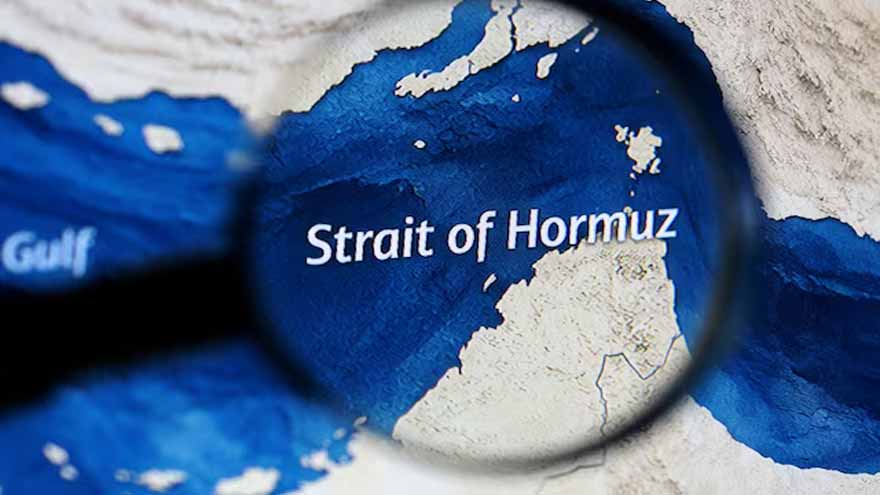
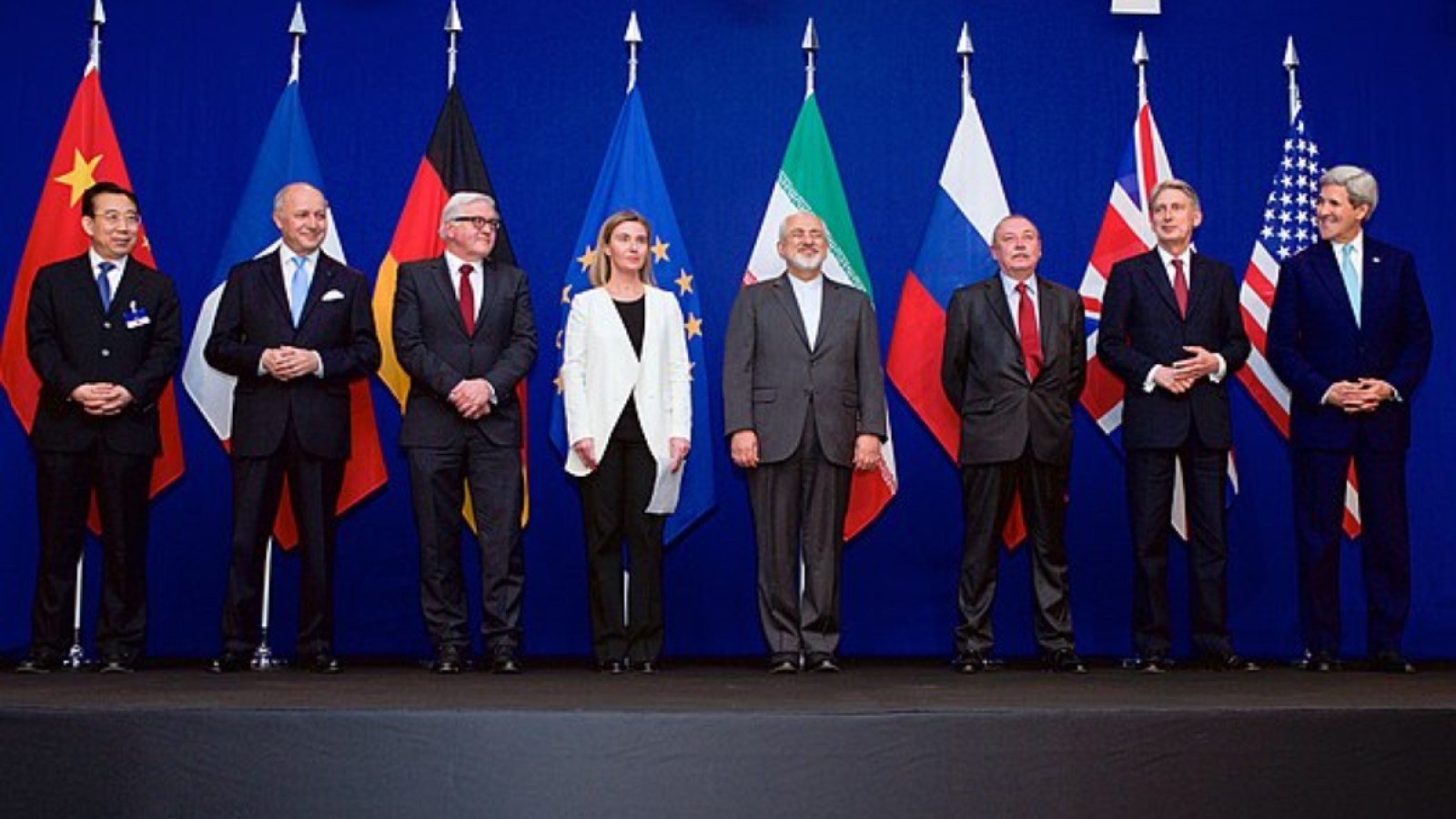
Ghana’s latest Consumer Price Index shows headline inflation falling sharply year‑on‑year to 3.2% in March 2026 (from 22.4% a year earlier), but the data also capture the first tangible impact of the US–Iran conflict and surging crude prices on a local African economy. Government Statistician Dr. Alhassan Iddrisu links a month‑on‑month uptick in petrol inflation to 3.1% (from 0.2% deflation), a 1.4% rise for diesel (vs. a 0.4% decline last year), and a 0.2% increase in taxi fares directly to crude jumping above US$100 per barrel, after previously trading in the US$60–70 range. While trotro and bus fares were flat month‑on‑month, they now show a 6.2% year‑on‑year deflation versus a 9% increase last March, meaning transport had been a strong disinflationary force until the latest oil spike. Iddrisu warns that for oil‑importing economies like Ghana, the transmission from Middle East conflict to consumer prices is “well understood, direct, and already in motion,” primarily through higher transport and refined fuel costs that can cascade into broader prices. He urges both global diplomatic efforts to end the US–Iran war and domestic macro‑prudence: building foreign‑exchange reserves, maintaining fiscal space, and using targeted subsidies or tax/levy adjustments on petroleum products to shield vulnerable groups without endangering medium‑term stability. The story offers concrete statistics and expert commentary on how a distant regional war and chokepoint tensions in the Strait of Hormuz rapidly translate into inflationary pressure and policy dilemmas far beyond the Middle East, a pattern relevant to many energy‑importing developing countries.